PART 1
Definition of Wrist Blood Pressure Monitors & Blood Pressure Smartwatches
Wrist blood pressure monitors are portable medical devices specifically designed to measure blood pressure at the wrist. They typically consist of an inflatable cuff, a display screen, and operation buttons. To use it, the user wraps the cuff around their wrist, starts the device, and the cuff automatically inflates, measuring the pressure changes in the blood vessels to calculate blood pressure values.

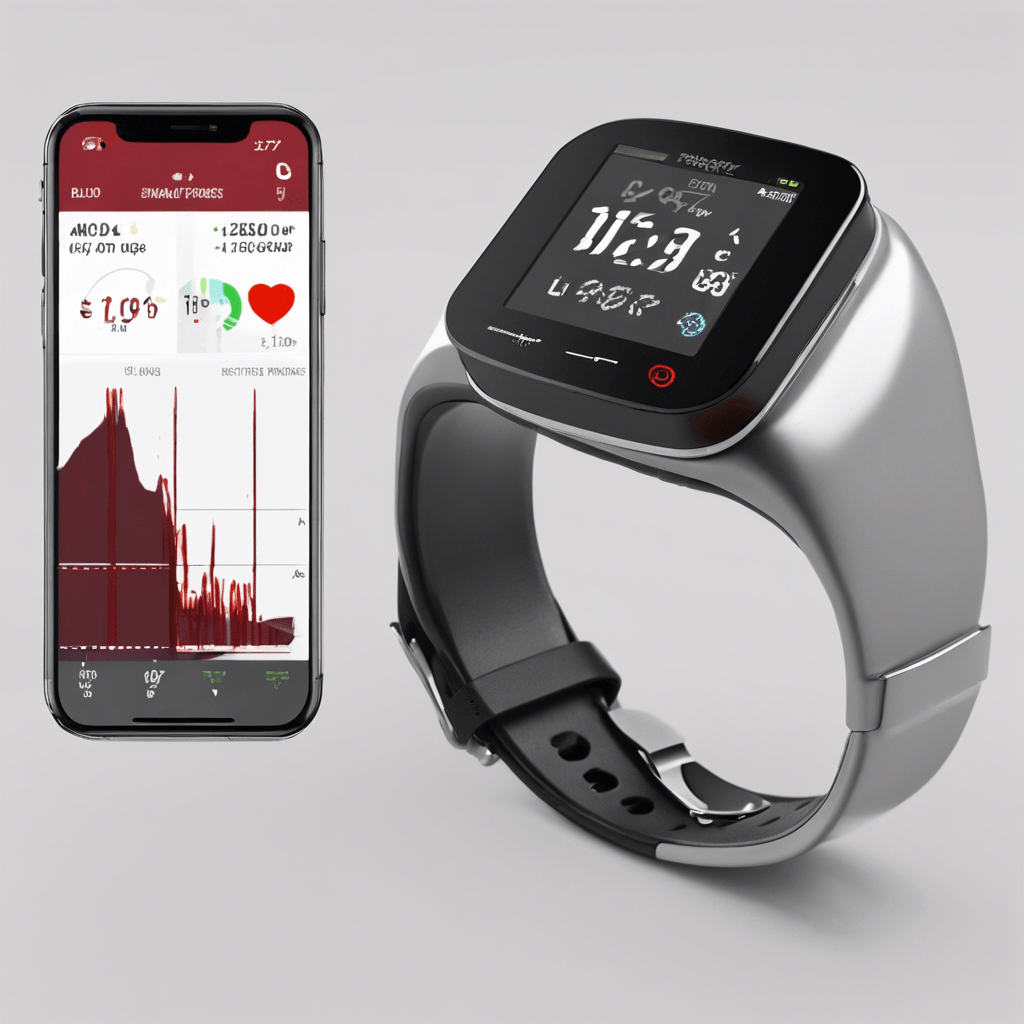
Blood pressure smartwatches are wearable devices that integrate blood pressure monitoring functionality. In addition to blood pressure monitoring, smartwatches typically feature heart rate monitoring, activity tracking, sleep analysis, message notifications, and more. They estimate blood pressure using photoplethysmography (PPG) or other sensing technologies, with data syncing to a mobile app for long-term health management.
PART 2
How to Differentiate Wrist Blood Pressure Monitors & Blood Pressure Smartwatches
Although wrist blood pressure monitors and blood pressure smartwatches can both measure blood pressure, they differ significantly in design, functionality, and usage. Here are some key points to differentiate the two:
1. Design and Appearance
1)Wrist Blood Pressure Monitors:
– Generally larger, resembling traditional blood pressure meters.
– Mainly consist of a display screen, inflatable cuff, and operation buttons.
– Specifically designed for medical use, looking like a medical device.
2)Blood Pressure Smartwatches:
– Designed similarly to smartwatches, with a stylish and compact appearance.
– Integrate multiple functions, such as step counting, heart rate monitoring, and message notifications.
– Generally, consist of a watch face and a strap, looking more like a daily wear device.
2. Functionality
1) Wrist Blood Pressure Monitors:
– Focused on blood pressure measurement, typically providing high accuracy.
– May have basic features like heart rate monitoring, but functionalities are limited.
– Suitable for regular blood pressure checks, particularly for individuals who need close monitoring of their blood pressure.
2)Blood Pressure Smartwatches:
– In addition to blood pressure monitoring, they integrate activity tracking, health data analysis, message notifications, and more.
– While the accuracy might be slightly lower than that of professional wrist blood pressure monitors, it is sufficient for daily health monitoring needs.
– Suitable for users who want to monitor their health status anytime in their daily lives.
3. Usage Method
1)Wrist Blood Pressure Monitors:
– Usually require the inflatable cuff to be wrapped around the wrist, auto-inflating to measure blood pressure.
– Most need to be used in a stationary position to ensure accurate measurement.
– Requires manual operation to start, and the results are displayed upon completion.
2)Blood Pressure Smartwatches:
– Worn on the wrist, typically starting blood pressure monitoring automatically or with simple operations.
– Can measure blood pressure anytime and anywhere without needing a specific environment.
– Measurement results sync to a mobile app for long-term tracking and analysis.
4. Data Management
1)Wrist Blood Pressure Monitors:
– Most have built-in storage that can retain a certain number of measurements.
– May require manual recording of data or connection to a computer for data management.
2)Blood Pressure Smartwatches:
– Data usually syncs to a mobile app or cloud service for easy, long-term management and analysis.
– Some devices can provide detailed health reports and offer health recommendations.
5. Price
1)Wrist Blood Pressure Monitors:
– Generally more affordable, suitable for individuals needing professional blood pressure monitoring.
2)Blood Pressure Smartwatches:
– Typically more expensive, but their multifunctionality and convenience make them worth the investment.
PART 3
How to Choose Wrist Blood Pressure Monitors and Blood Pressure Smartwatches for Yourself or Family
Based on the characteristics of wrist blood pressure monitors and blood pressure smartwatches, here is an analysis of their suitable users:
Wrist Blood Pressure Monitors
1. Suitable Users:
① Elderly Individuals:
– Due to significant blood pressure fluctuations in the elderly, wrist blood pressure monitors provide accurate measurements, facilitating daily health monitoring.
– Simple design and easy operation make it suitable for elderly users who may not be familiar with technology.
② Hypertensive Patients:
– Patients who need frequent blood pressure monitoring can benefit from the high measurement accuracy provided by wrist blood pressure monitors.
– Helps track blood pressure trends, supporting doctor diagnosis and treatment.
③ Home Use:
– Suitable for home use, providing accurate blood pressure data for family members.
– Allows for health monitoring at home, saving time and effort compared to frequent hospital visits.
2. Unsuitable Users:
① Users Needing Multifunctional Health Monitoring: The functionality of wrist blood pressure monitors is relatively limited and may not meet diverse health monitoring needs.
② Younger Individuals or Tech Enthusiasts: They may prefer devices with additional smart functionalities, such as activity tracking and heart rate monitoring.
Blood Pressure Smartwatches
1. Suitable Users:
① Young Individuals:
– Young people are often interested in tech products; smartwatches offer a multifunctional experience that meets their technology-driven lifestyle needs.
– Can track fitness and health data, helping them maintain a healthy lifestyle.
② Busy Professionals:
– In a busy work environment, the portability and multifunctionality of smartwatches allow for health data monitoring anytime, anywhere.
– Provides message notifications, schedule management, and other features to enhance life and work efficiency.
③ Fitness Enthusiasts:
– In addition to blood pressure monitoring, smartwatches offer heart rate monitoring, step counting, calorie tracking, and other fitness features, helping them train more scientifically.
– Real-time monitoring of fitness data enhances workout effectiveness and safety.
④ Tech Enthusiasts:
– Interested in new technologies and willing to try new smart devices.
– Enjoy comprehensive monitoring and analysis of their daily health data.
2. Unsuitable Users:
① Elderly Individuals: Due to potential complexity, smartwatches may not be suitable for older users who are unfamiliar with smart devices.
② High-Precision Demanders: Those requiring precise blood pressure monitoring may find smartwatches lacking compared to professional wrist blood pressure monitors.
When choosing between a wrist blood pressure monitor and a blood pressure smartwatch, consider your or your family’s health needs, how you’ll use it, and how comfortable you are with technology. Older adults and people with high blood pressure might find wrist blood pressure monitors more suitable because they’re simple and accurate. On the other hand, younger folks, busy professionals, fitness buffs, and tech-savvy individuals might prefer the multifunctionality and portability of blood pressure smartwatches.
 xytech
留下评论